
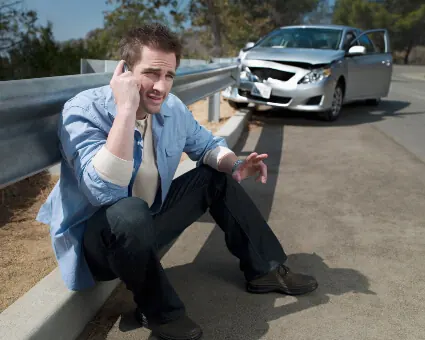
Between I-79, I-68 and University Avenue at rush hour, fender benders are part of life in Morgantown. Most people walk away from a small crash, swap insurance details and head home feeling fine. The trouble is that “fine” at the scene doesn’t always last.
Dr. Stephen G. Toth has treated people after car accidents in Morgantown since 1980. This is the checklist he’d give a friend.
Go to the emergency room or call 911 if you have a head injury, lost consciousness, severe neck pain, numbness or weakness in your arms or legs, or trouble with balance, vision or speech. Come see a chiropractor after you’ve been cleared.
At the scene: safety first, then a record
- Move to a safe spot if you can, turn on your hazard lights and check on everyone involved.
- Call the police so there’s an official report. Insurance companies lean on it later.
- Take photos of both cars, the road, any skid marks, and the other driver’s license plate and insurance card.
- Get names and phone numbers from witnesses. They’re hard to track down a week later.
- Don’t say “I’m not hurt.” Say you’ll get checked. You honestly don’t know yet.
Why you can feel fine and still be hurt
In a collision, especially a rear-end one, your head is thrown forward and back faster than your neck muscles can react. That stretches the ligaments and strains the muscles that hold your neck together. It’s called whiplash, and it can happen at low speed in a car with barely a scratch on it.
Adrenaline masks a lot of pain at the scene. The American Academy of Orthopaedic Surgeons notes that pain from a neck sprain often peaks a day or so after the injury rather than right away. That’s why the first 72 hours matter.
Days 1 to 3: what to watch for
Keep notes on your phone. Write down anything new, and when it started:
- Neck pain or stiffness, especially turning your head to check your blind spot
- Headaches that start at the base of your skull
- Pain or tightness across your shoulders or upper back
- Low back pain, or pain into your hip or leg
- Tingling or numbness in your arms or hands
- Trouble sleeping, focusing or feeling unusually tired
Those notes help whoever examines you, and they help with your insurance claim. If symptoms get worse instead of better, or numbness or weakness appears, get seen the same day.
Get checked, even if the car looks fine
Getting examined early does two things. It catches injuries before you start moving around them, which is how a sore neck can turn into a long-term problem. And it creates a record that ties your injuries to the accident, which insurers look for.
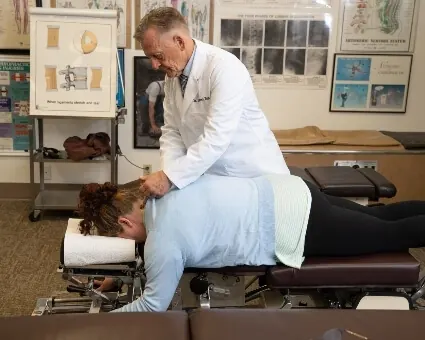
At our office, a visit after a crash starts with a full consultation and exam with Dr. Toth, about 45 minutes to an hour including paperwork. He checks how each joint in your neck and back is moving, refers you for X-rays only if your exam shows you need them, and builds a plan with clear instructions for home. Read more on our auto accident chiropractic page.
How insurance usually works in West Virginia
West Virginia is an at-fault state. That generally means the insurance of the driver who caused the crash pays for the injuries they caused. Many drivers also carry medical payments coverage (MedPay) on their own policy, which can pay for treatment no matter who was at fault. Call your insurer early, ask what your policy covers, and keep every receipt and visit record. If you have questions about your rights as a driver, the West Virginia Offices of the Insurance Commissioner runs a consumer services line.
We help with the forms and documentation insurance companies ask for after an accident. If your claim is disputed or you were seriously hurt, talk to an attorney. We can’t give legal advice.
When chiropractic isn’t the right first stop
Chiropractic care is a good fit for sprains, strains and stiff, sore joints after a crash. It isn’t for fractures, head injuries or anything that needs emergency care. If Dr. Toth’s exam turns up something outside what he treats, he’ll tell you and send you to the right provider. That’s been his rule for more than 45 years.
Book a post-accident exam
We’re on the second floor of Star City Hall, 3461 University Ave, with evening hours until 7pm on Mondays, Wednesdays and Fridays. Same-week appointments are often available. Call (304) 599-8228.
Related care at our office
Sources

About the author
Dr. Stephen G. Toth, DC earned his Doctor of Chiropractic from Palmer College of Chiropractic and has run Toth Chiropractic and Wellness in Morgantown since 1980.
This article is general information, not medical advice for your situation. If you’re hurt or unsure, call (304) 599-8228 or see a doctor.