


It’s one of the most common questions we hear: “Should I see a chiropractor or a physical therapist?” The honest answer is that it depends on what’s going on, and that the two overlap more than most people think.
See a medical doctor or go to the emergency room first if your pain follows a serious fall or injury, or comes with fever, unexplained weight loss, loss of bladder or bowel control, numbness in the groin, or new weakness in your legs. Call 911 in an emergency.
What a chiropractor focuses on
Chiropractors focus on how the joints of your spine and body move, and how that affects muscles and nerves. The best-known treatment is spinal manipulation, or the adjustment. The National Center for Complementary and Integrative Health describes how chiropractors often combine adjustments with other treatments, such as exercise, heat or ice, and advice on activity and posture.
At our office, that looks like a full exam first, then gentle adjustments by hand or with the Activator and ArthroStim instruments, Cox flexion-distraction for the low back, and therapies like traction, cold laser and electrical muscle stimulation when they help.
What a physical therapist focuses on
Physical therapists focus on restoring movement and function through exercise, guided strengthening, stretching and hands-on techniques. Their care is often built around a structured recovery program, such as after surgery or a joint replacement, with supervised exercise.
Where they overlap
The line isn’t sharp. Many chiropractors use exercise and rehab, and many physical therapists use hands-on joint and soft tissue work. Spinal manipulation is one of several non-drug approaches that research has looked at for low back pain, and the NCCIH has a balanced summary of what’s known about spinal manipulation, including its side effects.
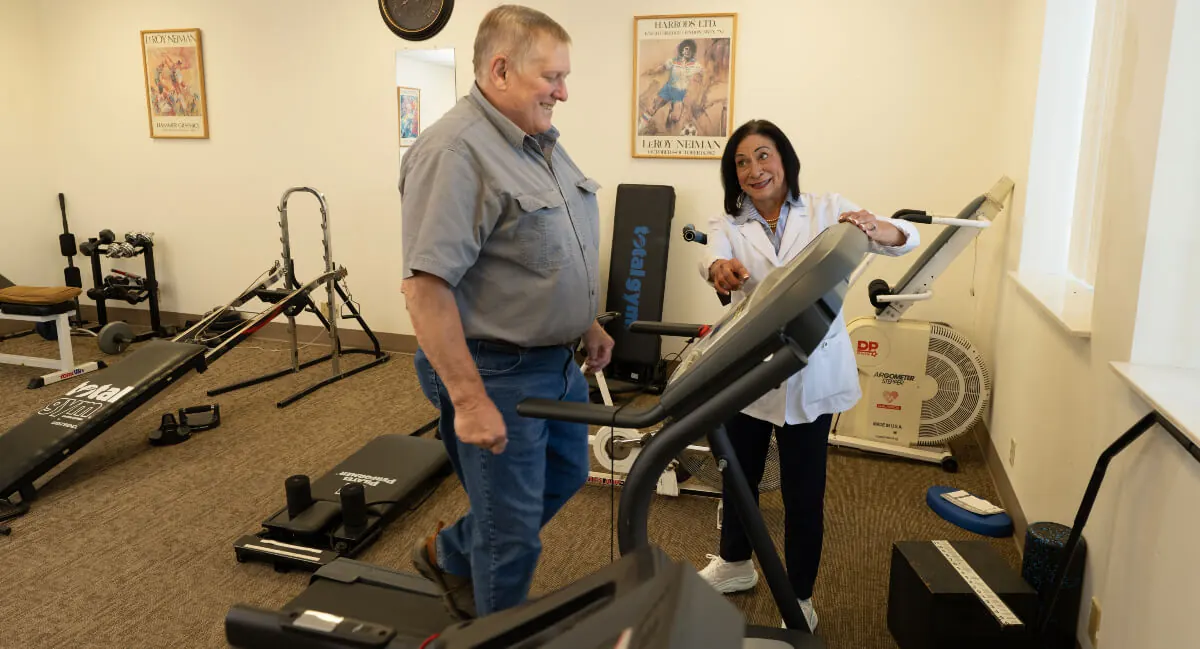
Dr. Stephen G. Toth has a 100-hour post-graduate course in chiropractic rehabilitation, graduate courses in athletic training at WVU and a personal trainer certification from the American Council on Exercise. Rehab exercises and posture coaching are part of care at our office when they help.
How to pick a starting point
A chiropractor is often a good first stop when:
- Your back or neck is stiff and sore without a major injury behind it
- You have headaches that seem to start in your neck
- You tweaked something lifting, shoveling or sleeping wrong
- You’ve had sprains and strains after a minor car accident, once you’ve been cleared of anything serious
A physical therapist is often a good first stop when:
- You’re recovering from surgery or a joint replacement
- Your surgeon or doctor has prescribed a specific rehab program
- Your main goal is rebuilding strength and function after a long layoff
You don’t always have to choose. Some people see both, for different parts of the same problem. If you do, tell each provider what the other is doing.
What to expect if you start with us
Your first visit takes about 45 minutes: paperwork, a conversation with Dr. Toth and a full exam. He checks how each joint is moving, orders imaging only when your exam shows it’s needed, and builds a plan you understand. If he finds something outside what he treats, he’ll tell you and point you to the right provider.
Most patients don’t need a referral to see a chiropractor, and our office checks your insurance benefits before your visit. See our low back pain, neck pain and drug-free pain relief pages for more on how care works here.
Not sure? Call and ask
Describe what’s going on and we’ll tell you honestly whether it sounds like something Dr. Toth sees. We’re at 3461 University Ave in Morgantown. Call (304) 599-8228.
Related care at our office
More from the blog
- Can a chiropractor make you taller? Why you feel taller after an adjustment
- How to choose a chiropractor in Morgantown, WV: 8 questions to ask
- Deer season without the back pain: tips for West Virginia hunters
- Hurt in a car accident in Morgantown? What to do in the first 72 hours
- Desk job neck pain and headaches: 7 fixes from a Morgantown chiropractor
- How to shovel snow without hurting your back
Sources

About the author
Dr. Stephen G. Toth, DC earned his Doctor of Chiropractic from Palmer College of Chiropractic and has run Toth Chiropractic and Wellness in Morgantown since 1980.
This article is general information, not medical advice for your situation. If you’re hurt or unsure, call (304) 599-8228 or see a doctor.